Cornelius Erfort
Postdoctoral researcher in political science. Voter targeting, interest groups, and voting behavior.
cornelius.erfort@uni-wh.de Google Scholar ORCID GitHub Bluesky LinkedIn CV (PDF)
About
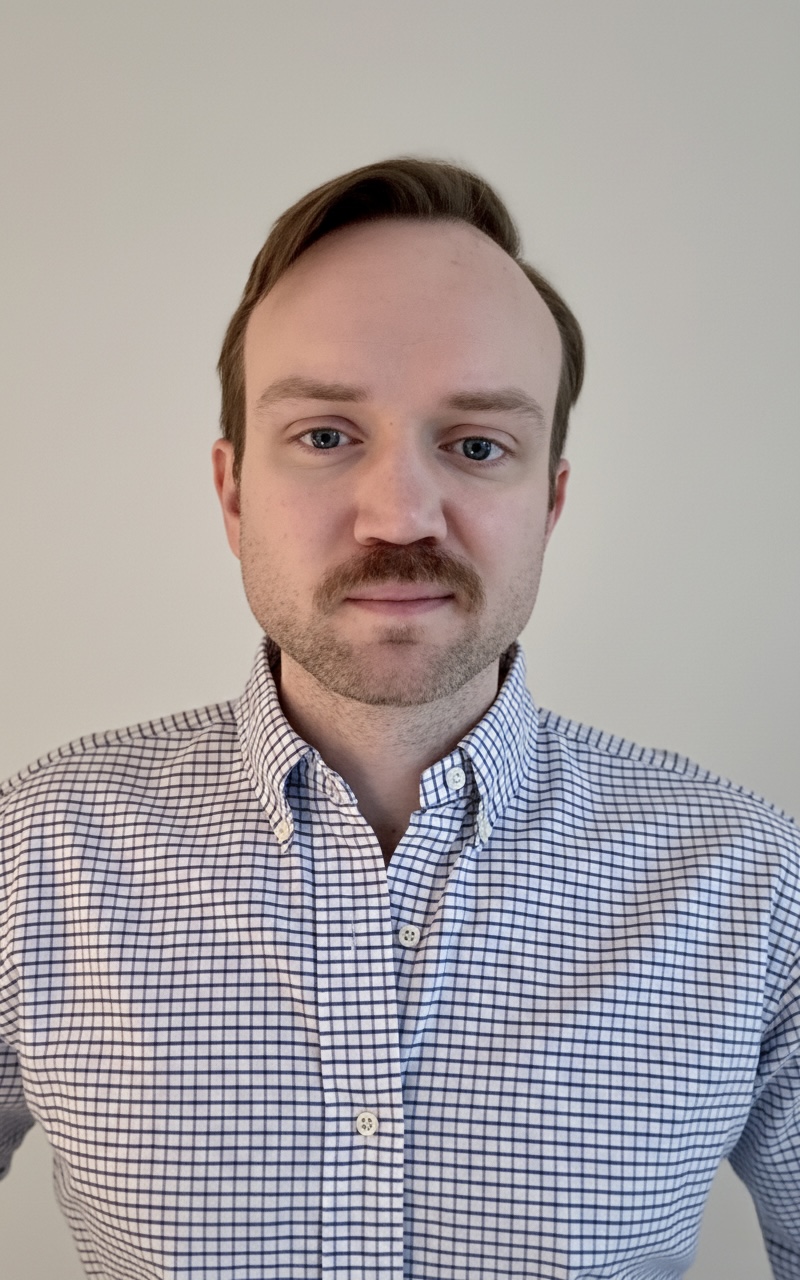
I'm a Postdoc at Witten/Herdecke University, working on the DFG-funded project zweitstimme.org. I'm also affiliated with the Humboldt Governance Lab.
My research sits at the intersection of comparative politics and quantitative methods. I study voter targeting, interest groups, and voting behavior, with a broader interest in how democratic representation works in practice.
Current research
- Voter targeting — how parties tailor and target digital ads across platforms, audiences, and issues.
- Issue agendas — using the PARTYPRESS database to study how parties respond to public opinion and competitors.
- Election forecasting — Bayesian forecasting of federal elections and subnational elections with zweitstimme.org.
- Climate & politics — public and political engagement as part of the Lancet Countdown on health and climate change, and how energy transitions connect to party support.
News
Recent publications
See the full list with abstracts, BibTeX, and replication data.
Citation counts, citing papers, and leaderboard (from Google Scholar).
Working papers
See the full list of working papers.
Media
See the full list of media coverage.
Teaching
- Automated Web Data Collection — PhD workshop, DYNAMICS, HU Berlin (2025, 2026). Materials 2026.
- Automated Web Data Collection & Text as Data — BA, HU Berlin (2023). Materials.
- Comparative Politics and International Relations — BA, HU Berlin (2022).
See the full list of teaching.
Data & software
See the full list of data & software.
Other resources
You can find links to friends in academia here.